Water Damage Restoration Burnsville, MN
24/7 water damage restoration in Burnsville, MN. The restoration team extracts standing water, dries the structure to the IICRC S500 standard and documents every step for your insurance claim, from a flooded lower level to an ice dam leak.
(888) 432-4933Water still spreading? Call now.ZIP 55306 and 55337, plus Apple Valley, Savage, Bloomington and Eagan.
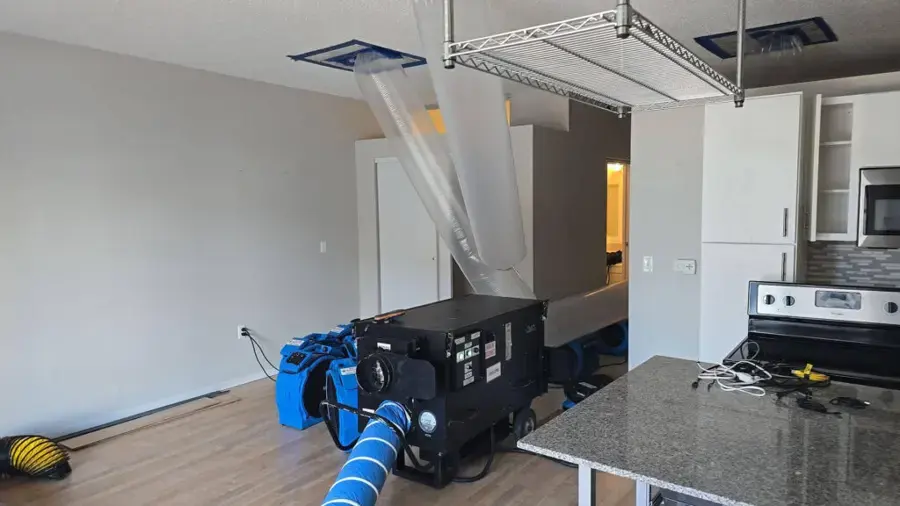
What to do while the water is still moving
- 1
Close the main valve
In most Burnsville homes it sits in the lower level where the service pipe comes through the floor, near the meter.
- 2
Kill power to wet areas
Flip the breakers only if the panel and the floor in front of it are dry.
- 3
Keep out of deep water
Stay clear of standing water near outlets, extension cords, the furnace and the water heater.
- 4
Photograph before moving
Wide shots and close-ups of every wet room, the source and damaged items, before cleanup starts.
- 5
Lift what you can, then call
Get rugs, boxes and electronics off the floor. Mold can start within 24 to 48 hours.
Water Damage Restoration Services in Burnsville, MN
Fourteen kinds of water loss, each handled the way its source demands. In Burnsville the winter and spring losses lead: frozen pipes, ice dams, sump failures and flooded lower levels.
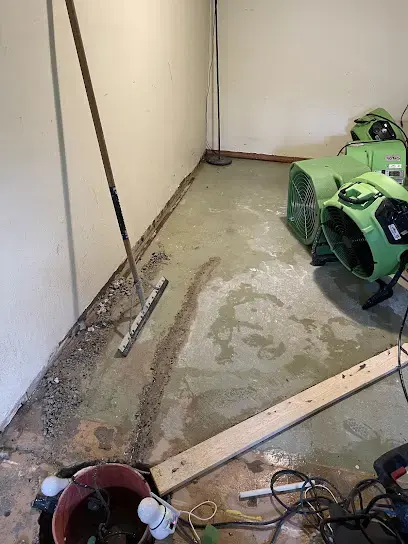
Water Extraction and Removal
Standing water pulled with truck-mounted extraction before it wicks into drywall, carpet pad and subfloor.
Water Extraction and Removal details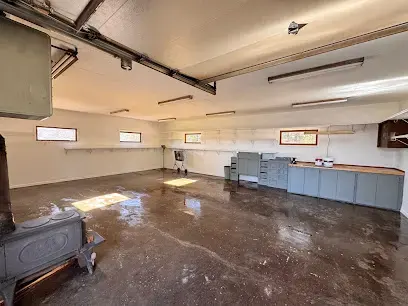
Basement Flooding Cleanup
Lower levels of split-level and walkout homes pumped out, opened where meters say and dried.
Basement Flooding Cleanup details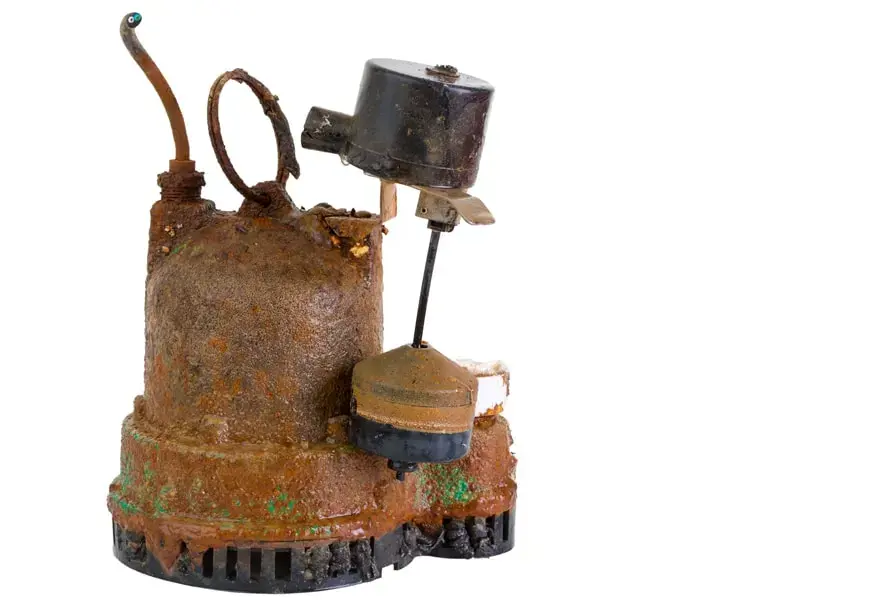
Sump Pump Failure Cleanup
Overflowing pits and dead pumps during spring melt or a storm outage, extracted and dried.
Sump Pump Failure Cleanup details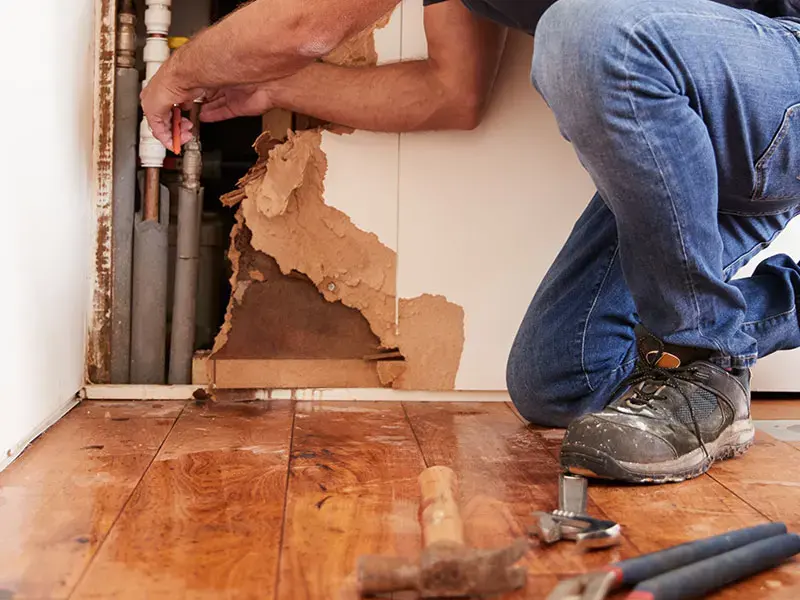
Frozen Pipe Cleanup
Sub-zero breaks in exterior walls, rim joists and garages traced with thermal imaging and dried.
Frozen Pipe Cleanup details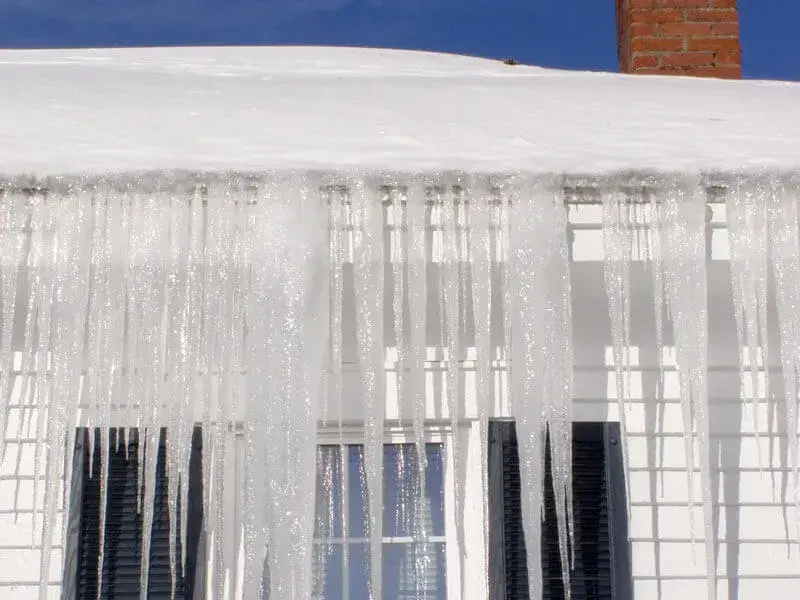
Ice Dam Water Damage
Meltwater backed up under shingles into ceilings and walls, found with meters and dried in place.
Ice Dam Water Damage details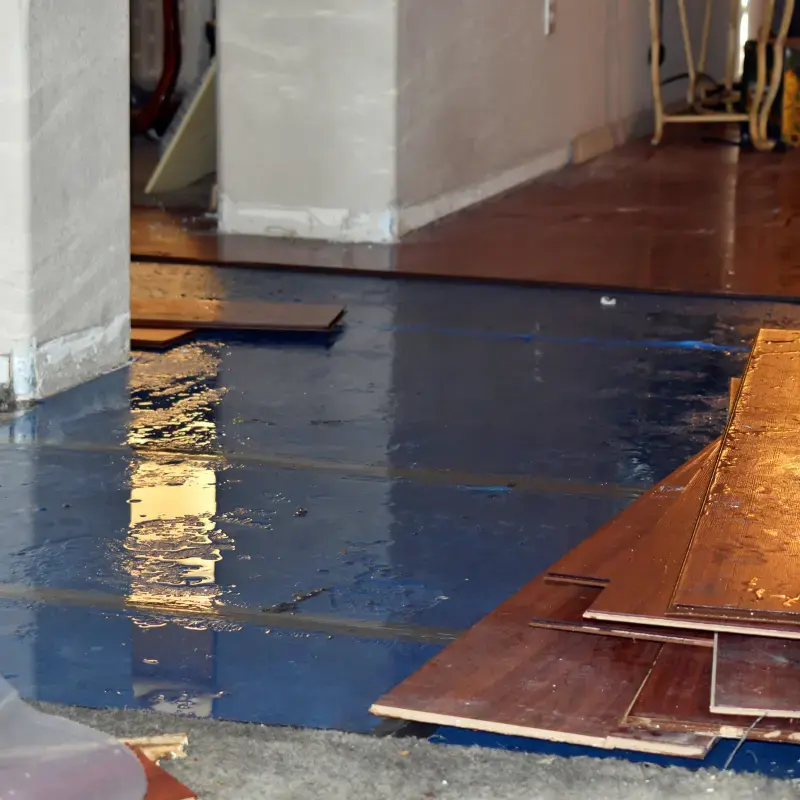
Burst Pipe Water Damage
Split supply pipes extracted and wall cavities dried without tearing out more than readings demand.
Burst Pipe Water Damage details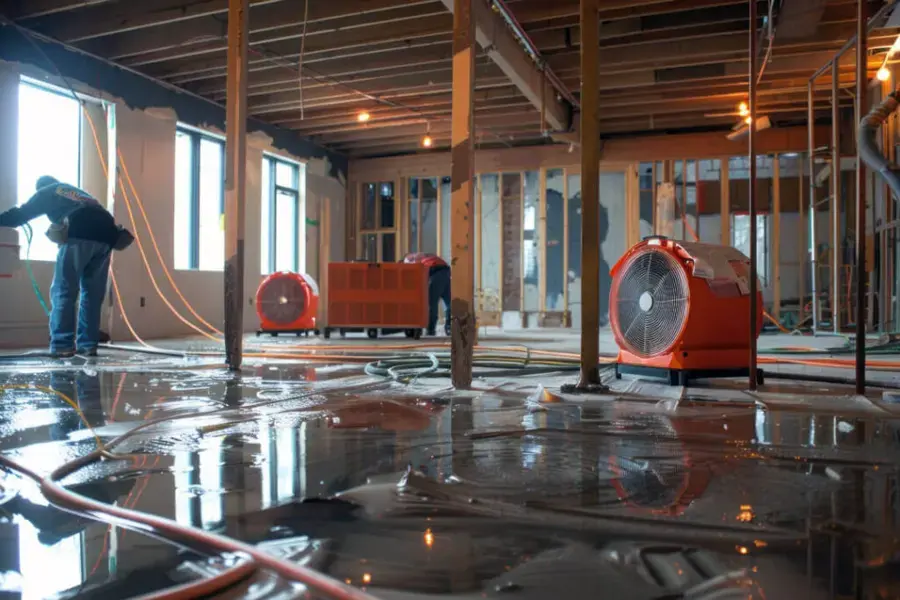
Storm and Snowmelt Flood Cleanup
Spring melt, river rise and summer cloudbursts handled as contaminated water and dried out.
Storm and Snowmelt Flood Cleanup details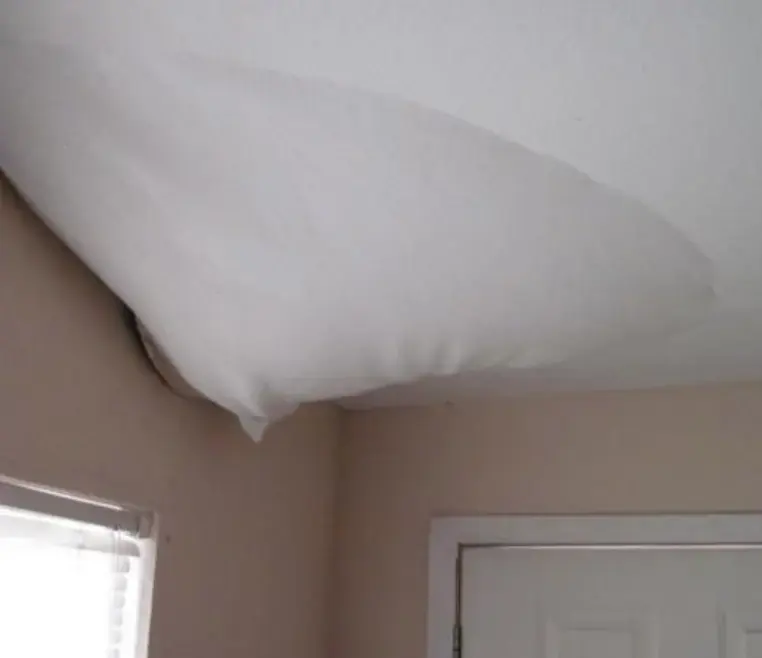
Ceiling Leak Water Damage
Upstairs bath and supply leaks traced, sagging drywall opened safely and joist bays dried.
Ceiling Leak Water Damage details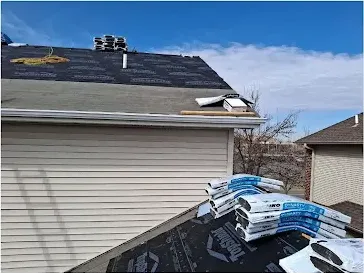
Roof Leak Water Damage
Hail and wind openings covered, wet attic insulation pulled and the ceilings below dried.
Roof Leak Water Damage details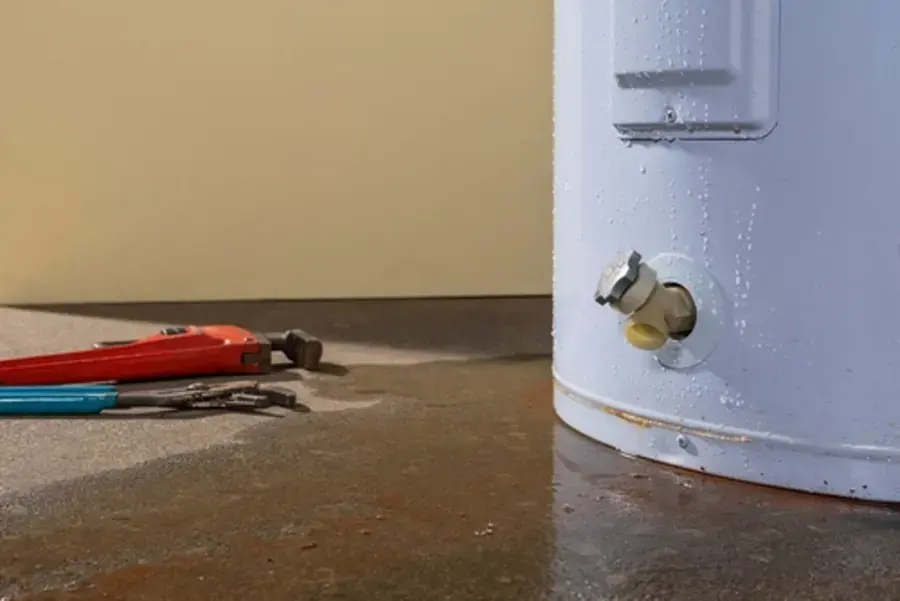
Water Heater Leak Cleanup
Tank failures in finished basements extracted before carpet, pad and wall bottoms are lost.
Water Heater Leak Cleanup details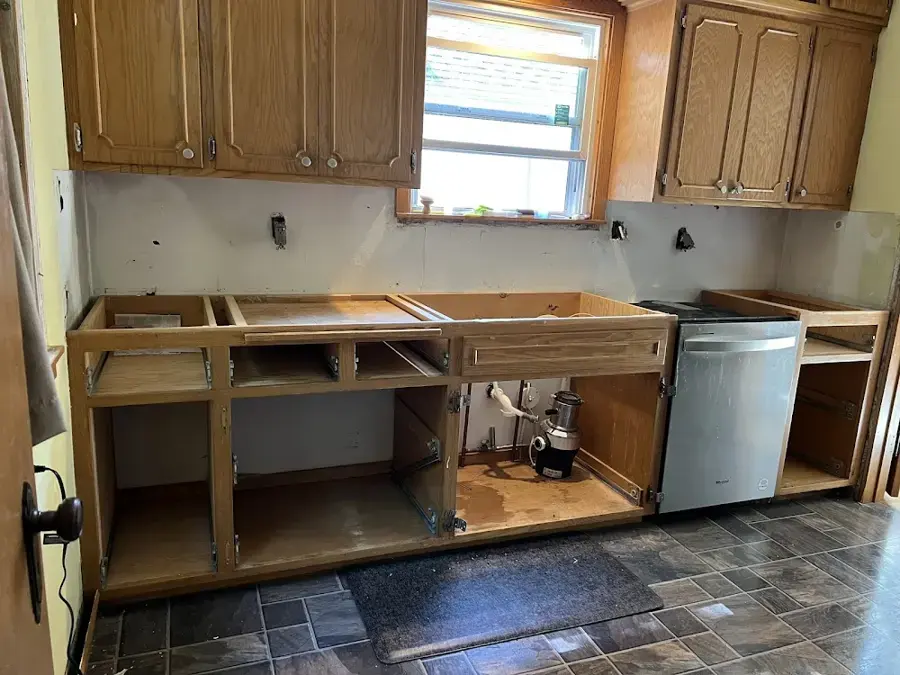
Appliance Leak Water Damage
Washer, dishwasher and ice maker hose failures dried under cabinets and floating floors.
Appliance Leak Water Damage details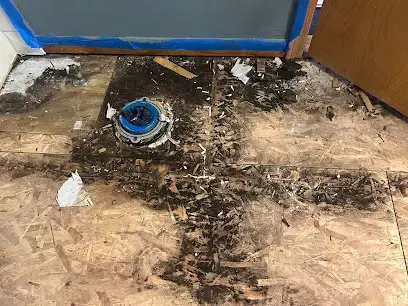
Sewage Backup Cleanup
Floor drain backups contained as Category 3, porous materials removed and surfaces treated.
Sewage Backup Cleanup details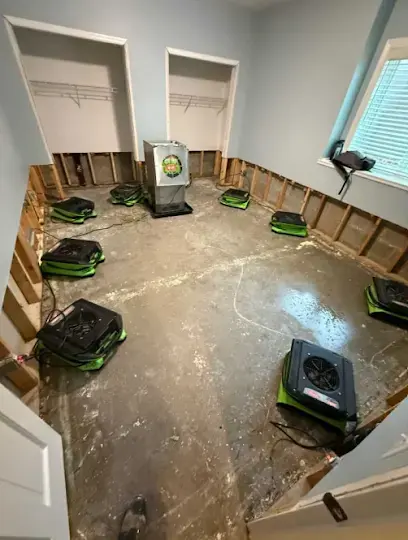
Structural Drying and Dehumidification
Framing, subfloor and concrete dried to within 2 to 4 points of a dry reference material.
Structural Drying and Dehumidification details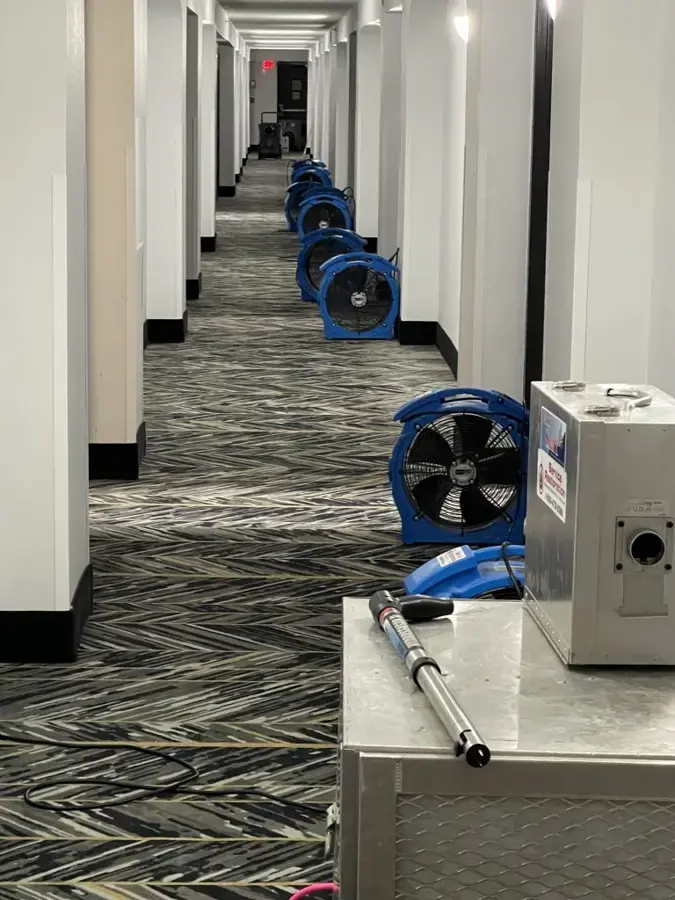
Commercial Water Damage
Shops, offices and apartment buildings dried in phases so the doors can stay open.
Commercial Water Damage detailsWater damage dried to the IICRC S500 standard
A finished dry-out and a cosmetic one look the same on day two. The difference shows up in the readings, inside the wall, under the carpet and in the slab, so the equipment stays until the numbers say dry.
- 1
Moisture mapping first
The tech who does the walkthrough maps wet materials with pinless meters and thermal imaging before any equipment goes down.
- 2
Truck-mounted extraction
The extraction crew pulls standing water and presses water out of carpet and pad so it leaves the house instead of soaking in.
- 3
Air movers and LGR dehumidifiers
Equipment is sized to each room's class of loss, with desiccants for hardwood, plaster, block and basement slabs.
- 4
Daily readings to the goal
The drying team logs readings every day and pulls equipment only when materials sit within 2 to 4 points of a dry reference.
How the Burnsville restoration crew handles a water loss
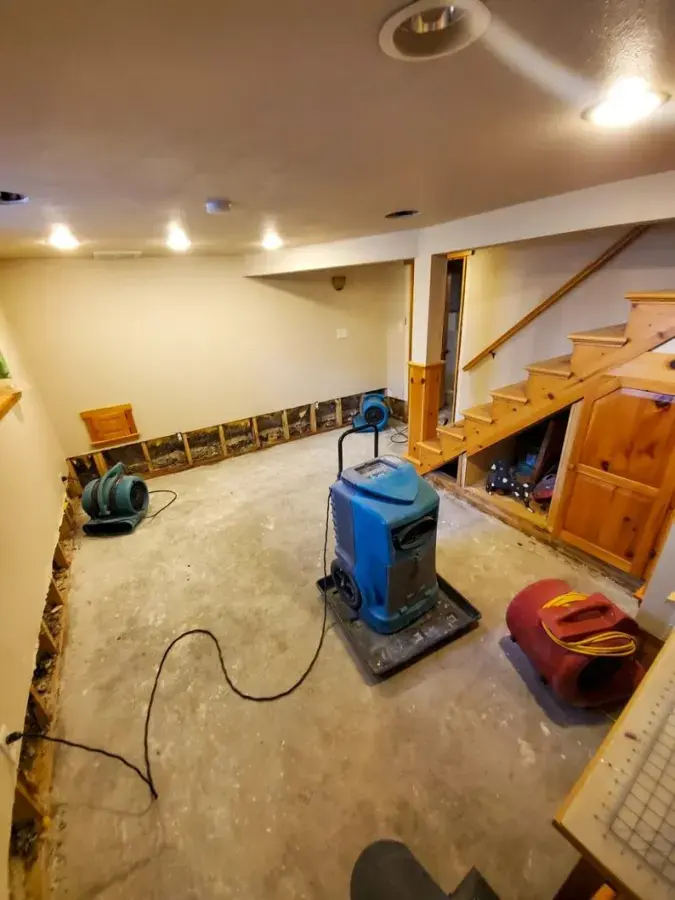
Water in a Burnsville split-level rarely stays on one floor. It runs down the half-flight of stairs, under the lower-level carpet and along the slab, so the restoration team works from readings, not guesses.
Rapid local response
The response team dispatches around the clock, and active water in Burnsville is treated as urgent at any hour.
IICRC S500 drying standard
Structural drying, not just surface drying, with equipment sized to the class of loss.
Claim-ready documentation
Moisture maps, daily psychrometric logs and timestamped photos taken before any demolition.
Minnesota water experts
Frozen pipes, ice dams, spring melt and sump failures are the losses that lead every year in Dakota County.
All water damage categories covered in Burnsville, MN
Category 1: clean water
Supply pipes, frozen pipe breaks and ice dam meltwater. Caught early, most materials dry in place.
Frozen pipe cleanupCategory 2: gray water
Washers, dishwashers and sump overflow. Pad comes out and surfaces get antimicrobial.
Sump pump failure cleanupCategory 3: black water
Sewage from floor drains and outside floodwater. Porous materials it touched are removed, not dried.
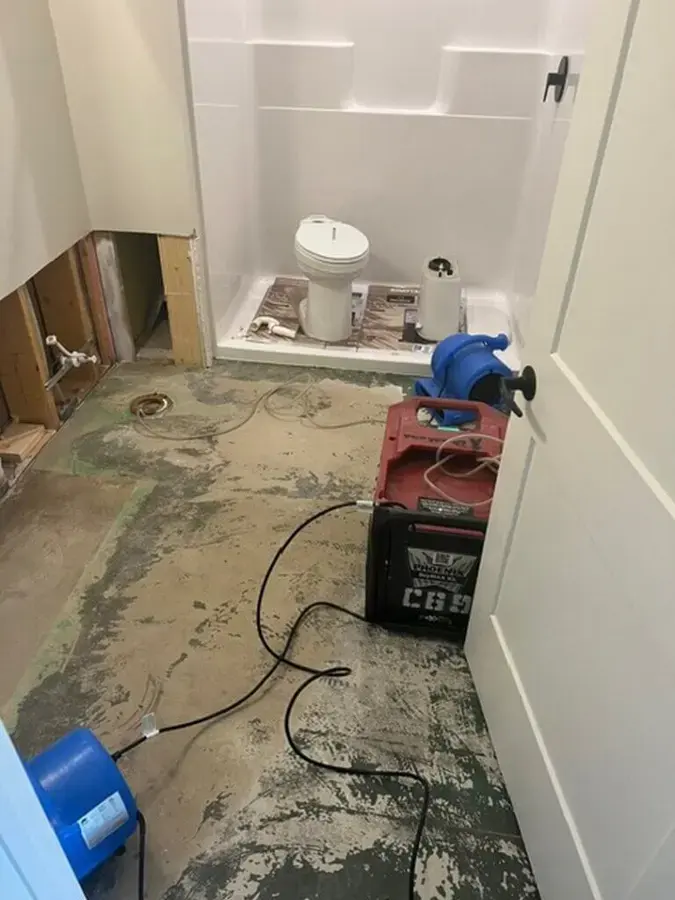
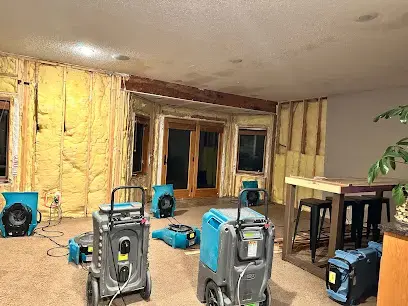
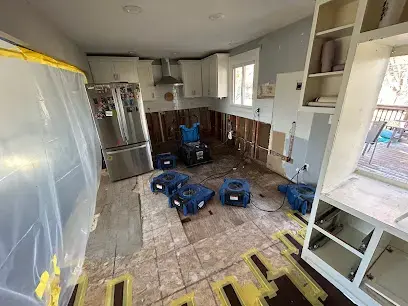
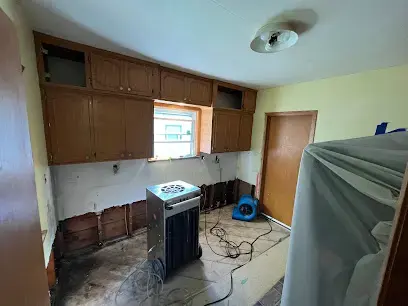
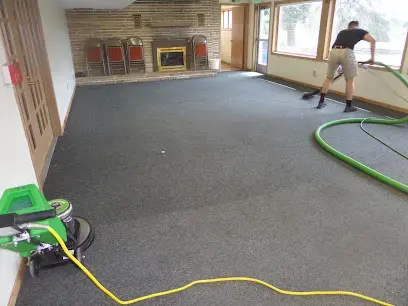
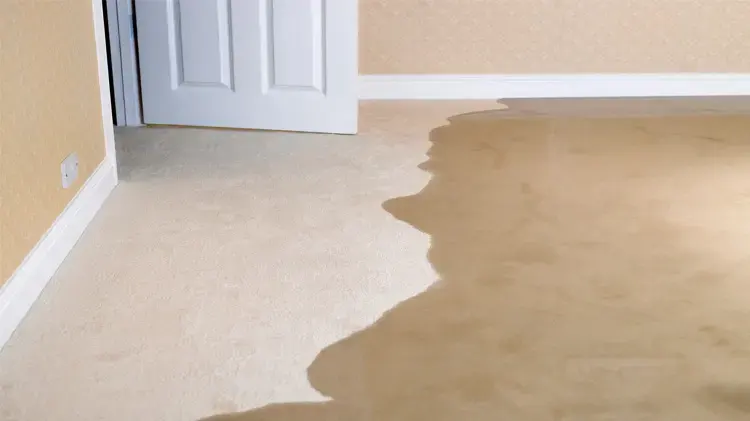
Sewage backup cleanupWhat a water damage dry-out looks like in Burnsville
Documentation for your insurance claim
A water claim is decided on the file, not on the phone call. A complete Burnsville claim file carries five things.
- The moisture map from the first visit, showing every wet material
- Daily psychrometric logs and material readings until the drying goal is met
- Timestamped photos taken before any demolition or removal
- The category and class of the loss, which set what is removed and what is dried
- A line-item scope in the format adjusters expect
Check your own policy
A sudden burst pipe or an ice dam leak is usually treated differently from groundwater or rising surface water, which falls under flood coverage. Sump overflow and sewer backup often need their own endorsement.
Coverage depends on your policy, so it is worth checking with your own insurer. Ask the restoration contractor who responds what documentation comes with the job.
Water damage in Burnsville, MN: the local risk profile
Burnsville sits on the bluffs above the Minnesota River, with lakes like Crystal, Keller and Earley inside the city and most homes built from the 1960s through the 1980s.

1965 and 2001: heavy snowpack melting on top of spring rain pushed the Minnesota River to major flood levels across the south metro, covering the river bottoms below the Burnsville bluffs.
- Frozen pipes: Sub-zero nights split supply pipes in exterior walls, over rim joists and in attached garages.
- Ice dams: Heavy snow and attic heat loss build ice at the eaves that pushes meltwater into ceilings and walls.
- Spring melt: March and April thaws load the soil around foundations and keep sump pumps running for weeks.
- Split-level lower levels: Finished family rooms set partly below grade take on water first when drain tile or the sump falls behind.
- Summer storms: Thunderstorms knock out power to sump pumps and drop enough rain to back up floor drains.
Burnsville water damage questions, answered
01What should I do in the first hour after finding water?
Shut off the water at the main valve or the fixture, turn off power to wet areas if the panel is dry, stay out of standing water near outlets, photograph everything before moving it, then call for extraction. Mold can start within 24 to 48 hours on wet materials.
02How fast does someone respond in Burnsville?
The response team dispatches at any hour across ZIP 55306 and 55337 and the nearby towns, and active water is treated as urgent, including nights, weekends, holidays and the worst cold snaps.
03What causes most water damage in Burnsville homes?
Frozen supply pipes in exterior walls, ice dams at the eaves, sump pumps that fail or lose power during spring melt and storms, aging water heaters in finished basements and sewage backing up through floor drains.
04How long does drying take?
A contained Class 1 loss, one room with low-porosity materials, usually dries in three to five days. Hardwood, plaster, block walls and basement slabs take longer, and equipment comes out only when readings match a dry reference.
05What is IICRC S500?
IICRC S500 is the industry standard for professional water damage restoration. It covers moisture mapping, water categories and classes, equipment sizing and the drying goal.
06Is water damage covered by insurance?
Sudden and accidental water, such as a burst pipe or an ice dam leak, is often covered. Groundwater and flooding usually need flood coverage, and sump overflow or sewer backup often needs an endorsement. Coverage depends on your policy, so check with your own insurer.
07Why do ice dams leak into the house?
Heat escaping into the attic melts snow on the upper roof. The meltwater refreezes at the cold eaves, builds a ridge of ice and backs up under the shingles, then runs into ceilings and the tops of walls.
08When does drywall have to come out?
When meters show it cannot dry in place, when insulation behind it is soaked, or when Category 3 water touched it. Clean water caught early often dries without removal.
09Why is sewage handled differently?
Sewage is Category 3 the moment it happens. Porous materials it touched are removed, the area is contained, and surfaces get an EPA-registered antimicrobial before drying.
10How is the cost worked out?
By the water category, the square footage that got wet, the material class and how fast drying started. The cost calculator gives a typical range for a Burnsville home.
Water damage in Burnsville? Start the dry-out now.
Every hour water sits, more drywall, pad and subfloor has to come out. The extraction crew pulls the water, and the drying team dries the structure to a verified reading.
Burnsville Water Damage Restoration · Burnsville, MN